
Outdoor air quality plays a vital role in our health and environment. Pollutants from vehicle emissions, industrial processes, construction dust, and wildfire smoke can make the air harmful to breathe, particularly during certain weather conditions or seasons. Poor outdoor air quality can trigger respiratory irritation, allergies, asthma, fatigue, and even long-term heart and lung problems. Children, older adults, and individuals with pre-existing conditions are especially vulnerable to its effects.
Monitoring key outdoor air quality indicators helps identify pollution sources and encourages healthier choices—such as adjusting outdoor activities, supporting cleaner transportation, and promoting greener urban planning. By understanding and improving the air we share, we can create a healthier, more sustainable environment that benefits communities and ecosystems alike.
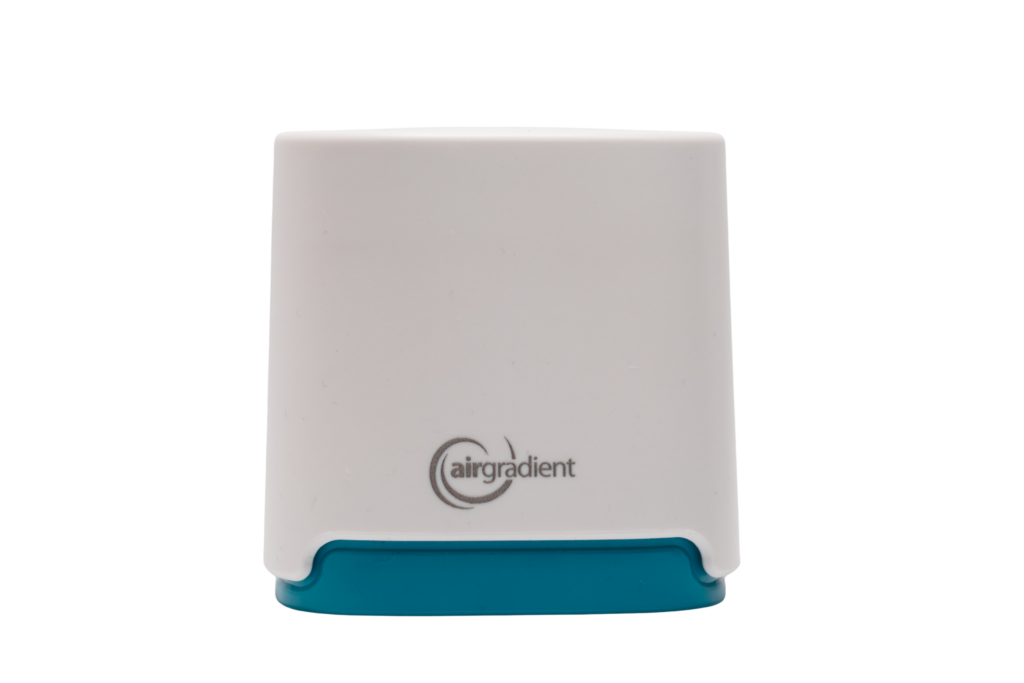
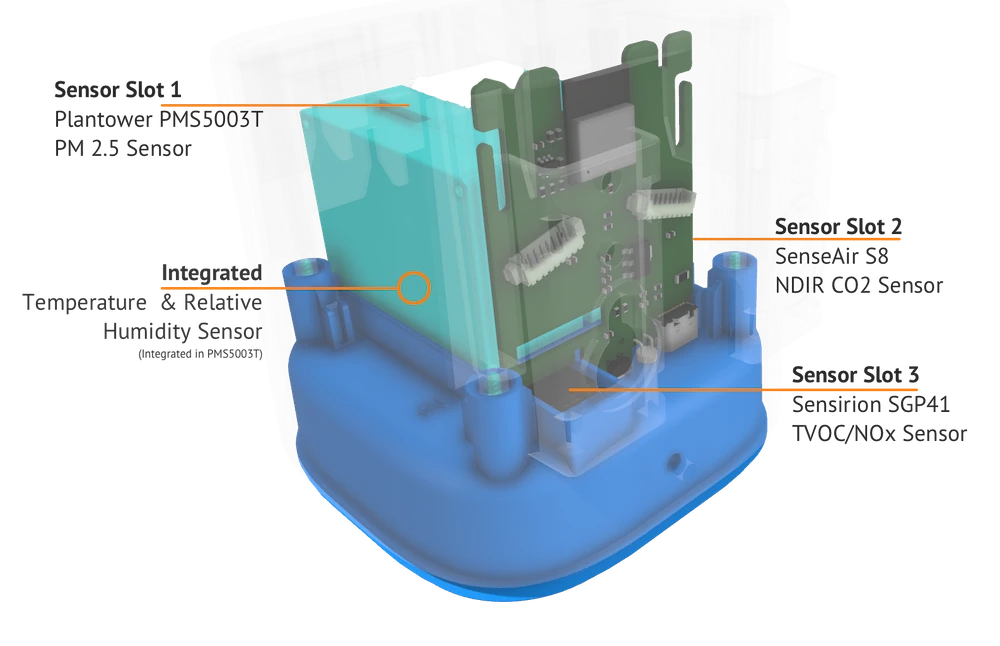
The Open Air (Model O-1PST) is an outdoor air quality monitor that measures PM2.5, CO₂, TVOCs, NOx, temperature, and humidity to help you understand air health. Open-source and compatible with Home Assistant and Homey, it enables easy customization and smart environmental monitoring.
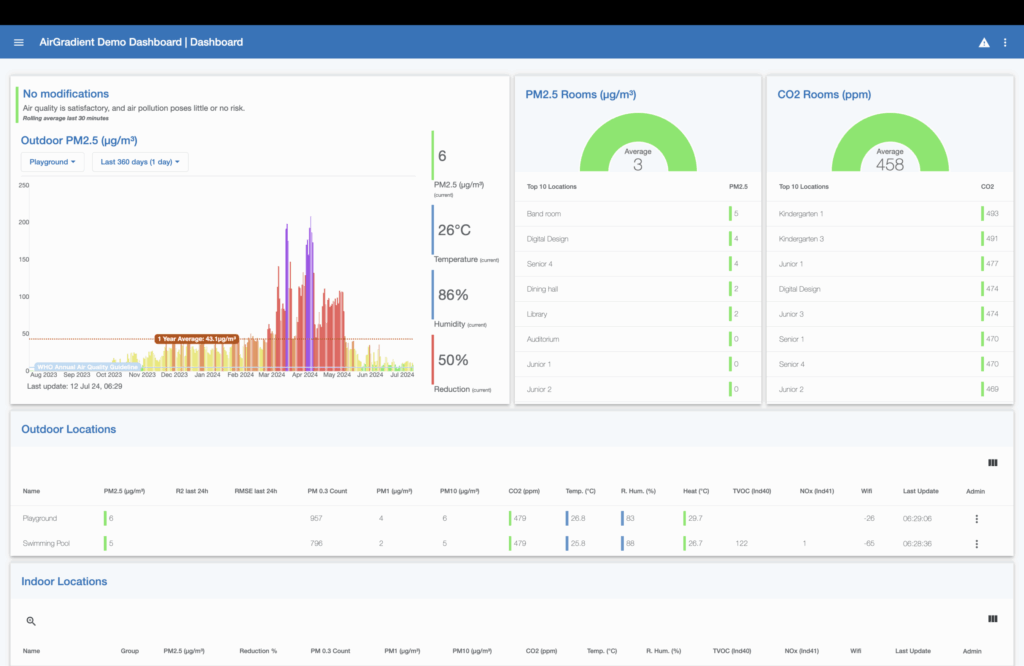
Explore the full potential of air quality insights with the AirGradient Demo Dashboard. Try the Demo Dashboard
The AirGradient Dashboard lets you track, analyze, and visualize air quality data effortlessly — making it the perfect companion to our air quality monitors. Experience its powerful features through our Demo Dashboard — no monitor required. Try it today and discover how easily you can monitor and understand your air.
We provide setup, installation and training on using your new AirGradient. We are always a phone call away!
Partnership
Authorized to sell and support AirGradient products across the United States
Authorized partnership
Official Reseller of AirGradient
in the United States of America