
We spend nearly 90% of our time indoors — whether in schools, offices, or childcare centers — where air can be 2–5 times more polluted than outdoors. Pollutants from poor ventilation, furnishings, cleaning products, and cooking fumes contribute to poor indoor air quality, leading to headaches, fatigue, reduced focus, and long-term health risks.
Measuring key air quality parameters helps reveal hidden pollutants and
enables practical steps toward creating a healthier, more comfortable indoor
environment that supports well-being and productivity every day.
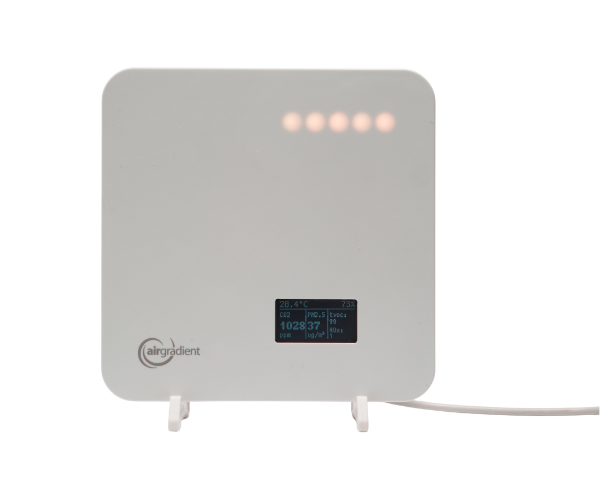
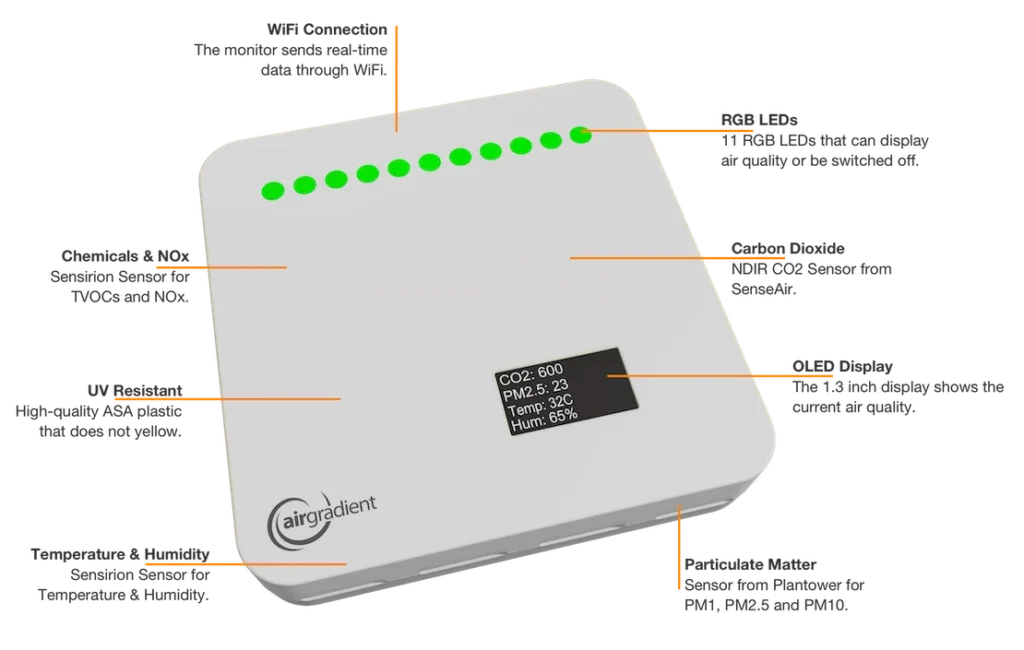
The AirGradient ONE is an indoor air quality monitor that helps you understand whether the air you breathe is healthy. It tracks PM2.5, CO₂, TVOCs, NOx, temperature, and humidity, and features a built-in color LED bar along with a compact display for quick visual feedback.
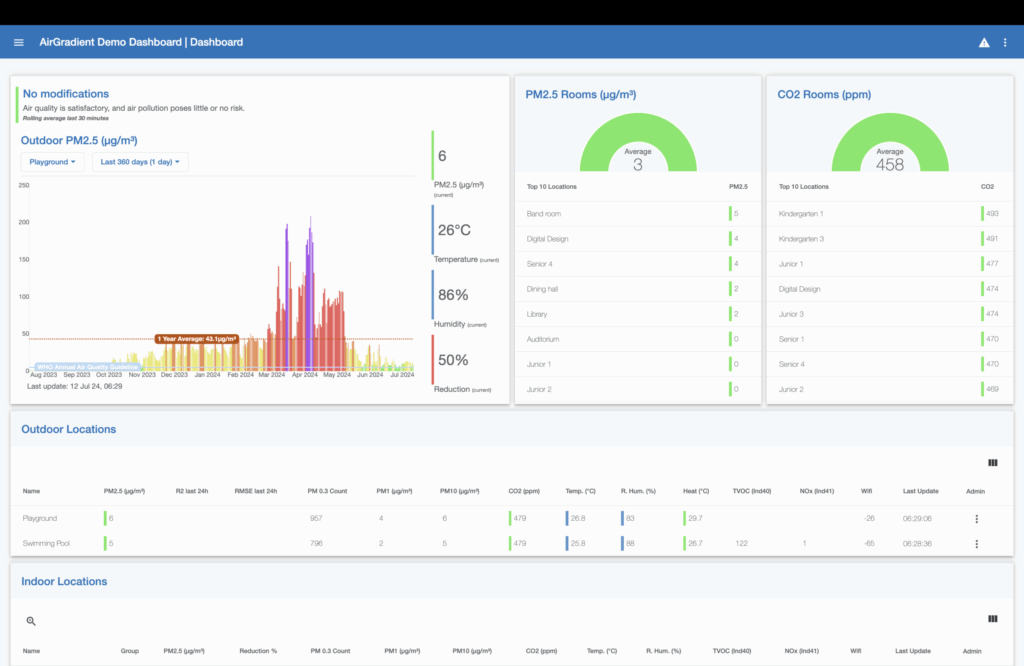
Explore the full potential of air quality insights with the AirGradient Demo Dashboard. Try the Demo Dashboard
The AirGradient Dashboard lets you track, analyze, and visualize air quality data effortlessly — making it the perfect companion to our air quality monitors. Experience its powerful features through our Demo Dashboard — no monitor required. Try it today and discover how easily you can monitor and understand your air.
We provide setup, installation and training on using your new AirGradient. We are always a phone call away!
Partnership
Authorized to sell and support AirGradient products across the United States
Authorized partnership
Official Reseller of AirGradient
in the United States of America